
Sports websites are the ultimate hub for fans to follow their favorite teams, players, and live action. Creating a well-structured sports website enables you to provide news, live scores, player statistics, and interactive features that keep people interested. A good website can help you stand out in the competitive digital sports landscape.
In this article, we will show you step by step how to build a professional sports website, from defining your goals and selecting the best platform to developing a responsive layout and monetizing your content. Whether you specialize in cricket, football, or a specific league, this will help you create a website that attracts and retains dedicated visitors.
Defining Your Sports Website’s Goals, Audience, And Niche
Before you start building your sports website, you must first determine your goals. Are you looking to provide the most recent news, live scores, player profiles, or a forum for fan discussions? Clear goals allow you to focus your content and features, making your website more useful and appealing to users. Top Sports websites, ESPN for example, is highly concentrated on news and live updates, but fan-driven channels like Bleacher Report are more concerned with community and discussion.

Next, determine who your audience is. Sports enthusiasts are not all the same; some are die-hard fans of every game, while others only check the scoreboard on occasion. Identifying your audience allows you to choose the tone, design, and content.
Finally, select your niche carefully. You can cover all sports, specialize in one, such as football or cricket, or target a specific region or league. A unique strategy differentiates your website in a congested market and makes it easier to attract regular readers.
Defining your goals, identifying your audience, and selecting a niche are the first stages toward creating a successful, well-structured sports website that attracts repeat visits.
Choosing The Best Platform For Your Sports Website
Choosing the right platform is one of the most critical decisions when starting a sports website. The platform decides how easy it is to build your website, add features, and update material regularly. Your option should strike a balance between ease of use, adaptability, and affordability.
Comparing Website Builders And Custom Development Options
Website builders such as WordPress, Wix, and Squarespace offer ready-made themes and drag-and-drop functionality, allowing you to set up your website quickly without requiring much technical expertise. Custom development provides complete control over larger projects or highly customized features, but it requires technical expertise and a higher investment.
Here is a quick overview of the options that you can choose from:
| Platform | Ease of Use | Customization | Cost | Best For |
|---|---|---|---|---|
| WordPress | Medium | High | Low–Medium | Blogs, news, sports websites with plugins |
| Wix | High | Medium | Low | Quick launch, beginners |
| Squarespace | High | Medium | Medium | Design-focused sports websites |
| Custom Development | Low | Very High | High | Advanced, large-scale, fully custom features |
1. WordPress
WordPress provides a medium simplicity of use but extensive customization. It’s inexpensive to moderately priced, and there are numerous plugins explicitly designed for sports websites, such as live scoreboards, team information, and news feeds.
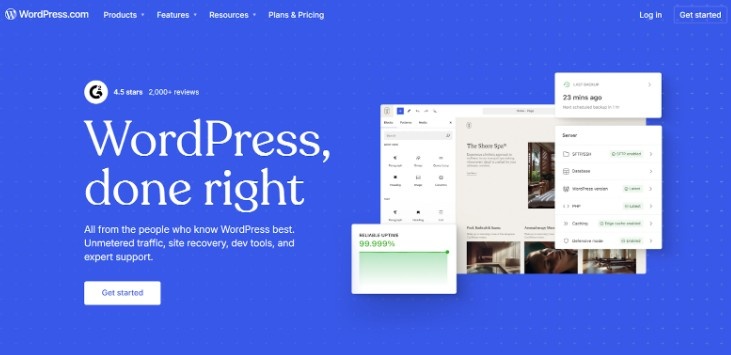
It’s perfect for blogs, news websites, and platforms that intend to grow over time. WordPress powers over 43% of the live websites on the internet making it the best choice for your sports website.
2. Wix
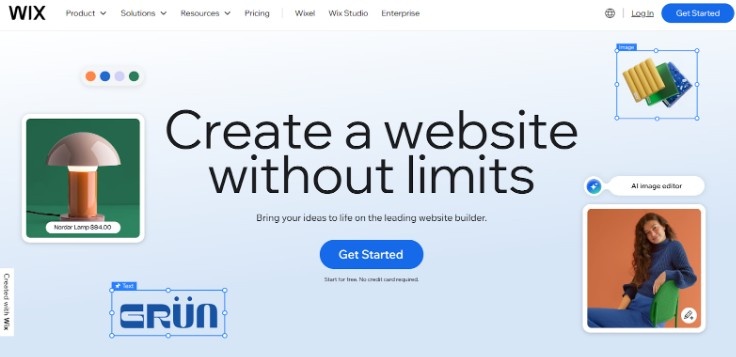
Wix is incredibly user-friendly, with drag-and-drop functionality, but customization options are limited when compared to WordPress. It’s inexpensive and ideal for novices or small sports websites that require a rapid internet presence without complicated capabilities.
3. Squarespace
Squarespace offers a high level of usability with medium customization. It costs a little more than Wix, but it’s ideal for visually beautiful, design-focused sports websites. The templates are modern and mobile-friendly, making them excellent for websites with strong branding and aesthetics.

4. Custom Development
Non-developers find custom development difficult to use, yet it provides an excellent level of customisation. It is costly but necessary for advanced, large-scale sports websites that require specialized features such as real-time API integrations, customizable dashboards, and interactive data.
Selecting a Memorable Domain Name and Reliable Hosting for Your Sports Website
Your sports website’s domain name is the first thing visitors see. A concise, catchy, and memorable name not only helps people find your site, but it also boosts search engine rankings. Incorporating relevant terms such as the sport, league, or team into your domain can improve SEO.
For example, “CricketFanClub.com” quickly informs visitors about your website and makes it easier for Google to index your material. Avoid using digits, hyphens, or intricate spellings because these can confuse consumers.
Reliable web hosting is essential for a sports website, especially if you intend to display live scores, streaming material, or high-quality photos. A fast and secure hosting solution reduces downtime and enhances the user experience, which Google rewards with higher search rankings. Shared hosting is cost-effective for small sites; however, VPS or cloud hosting is preferable for medium to large sports websites with heavy traffic.
Planning Website Structure and Navigation of Your Sports Website
A well-planned website structure benefits both users and search engines. Organizing content into obvious categories such as Home, Live Scores, News, Team Profiles, and Fan Interaction helps visitors find information and remain involved.
If you’re building a cricket-focused sports website, it’s important to base your content plan on major tournaments like the IPL, BBL, PSL, SA20, WPL, and other highly followed leagues. Many readers now actively look for BBL match predictions and similar insights for ongoing series, so covering these topics helps meet their expectations. By combining tournament-specific research with timely prediction content, you can create a site that consistently attracts and engages cricket fans.
Mobile-friendly navigation is also essential. Most of the internet traffic is generated by accounting mobile devices, so your sports website should include collapsible menus, sticky headers, and quickly accessible call-to-action buttons.
Internal linking between similar pages, such as connecting a live score update to a match analysis, encourages users to stay on your site longer and improve performance.
Essential Pages Your Sports Website Should Include
Every sports website needs certain pages to engage fans, provide real-time information, and offer valuable content. The table below shows the main pages and features your website should have to attract visitors, improve SEO, and increase user experience:
| Page/Feature | Purpose | Must-Have Elements |
|---|---|---|
| Home Page | First impression & navigation | Featured news, upcoming matches, latest scores |
| Live Scores | Real-time updates | Scoreboards, match stats, APIs |
| Team/Player Profiles | Detailed info | Stats, biographies, social links |
| News/Blogs | Engagement & SEO | Categorized articles, images, videos |
| Fan Interaction | Community building | Comments, polls, forums, social media integration |
| Contact/About | Credibility | Contact form, social media links, team info |
1. Home Page
The Home Page is the first impression your visitors will get. It should include trending news, upcoming matches, and highlights so that viewers know your website is active and trustworthy.
A clean homepage layout facilitates navigation and encourages users to explore deeper pages, hence increasing engagement. Using featured areas for live scores or popular content enables users to return regularly.
2. Live Scores
Live Scores pages provide fans with real-time updates on match results, statistics, and team performance. This is generally the most popular area on sports websites.
Integrating APIs from reputable sources guarantees correctness and dependability. Fast-loading, real-time updates enhance user experience and retention.
3. Team/Player Profiles
Team and Player Profiles include thorough information and statistics, giving fans a better understanding of their favorite athletes or teams.
Adding social media links and career information makes profiles more dynamic and shareable, which improves user engagement.
4. News/Blogs
The News and Blogs areas increase traffic by delivering fresh, relevant sports information. Articles, photos, and videos can help your website rank for long-tail keywords.
Regularly updating this area signals to search engines that your website is active, which improves the website’s overall performance.
5. Fan Interaction
The Fan Interaction page fosters community through comments, polls, forums, and social media integration. Engaged visitors are more likely to return and share your material.
This interactive method promotes user-generated content and keeps your website dynamic.
6. Contact/About
The Contact/About page builds confidence and trust by showing users who administers the website and how to contact them.
Including contact forms, social media connections, and team information increases openness and encourages followers to connect, thereby improving your website’s reputation.
Designing a Responsive and User-Friendly Sports Website
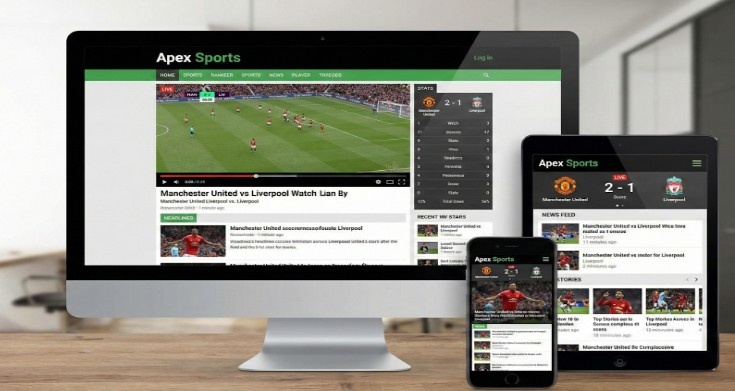
A responsive design is required for any sports website because fans access content via PCs, tablets, and smartphones. A mobile-friendly layout ensures that pages, photos, and videos adapt fluidly across various screen widths, thereby improving user experience and search engine rankings.
User-friendly navigation complements responsive design. Fans can easily access live scores, news, and team profiles thanks to clear menus, fast-loading pages, and an intuitive design. Visual hierarchy, call-to-action buttons, and interactive features such as polls or comment areas keep viewers interested and encourage return visits.
Monetization Strategies to Make Money from Your Sports Website
Turning your sports website into a revenue-generating platform necessitates effective monetization tactics. By integrating advertising, subscriptions, and affiliate marketing, you can generate multiple revenue streams while keeping your audience engaged. The best strategy for your website is determined by its traffic, content type, and audience loyalty.
| Monetization Method | Pros | Cons | Best Use Case |
|---|---|---|---|
| Ads (Google AdSense, Sponsored) | Easy to implement, passive income | Can affect UX if too many | Websites with high traffic |
| Subscription/Premium Content | Steady recurring revenue | Requires quality exclusive content | News, stats, or expert analysis websites |
| Affiliate Marketing | Earn commissions on sales | Needs audience trust | Sports merchandise, tickets, gear |

1. Advertisements
Displaying advertisements on your sports website is an easy approach to generate passive income. Platforms such as Google AdSense enable you to monetise traffic without requiring extensive technical knowledge, making them perfect for websites with a high visitor volume.
However, too many advertisements might degrade the customer experience and slow down your website. Balancing ad placement and content ensures fans remain engaged while generating revenue.
2. Subscriptions/Premium Content
Offering subscriptions or premium content generates consistent, recurring income. Exclusive features such as in-depth match analysis, extensive statistics, and behind-the-scenes content motivate fans to pay regularly.
This strategy is best suited for websites that create high-quality, specialized content. It takes constant updates and value to warrant a membership, but committed fans frequently prefer to pay for information they trust.
3. Affiliate Marketing
Affiliate marketing allows your sports website to earn commissions by promoting products, tickets, or merchandise that are related to your target audience. Linking to reliable merchants helps increase revenue without charging your users directly.
Success depends on establishing audience trust and promoting what your fans are actually interested in. Well-placed affiliate links within articles, match previews, or gear evaluations can greatly increase earnings.
Testing, Launching, and Promoting Your Sports Website
Before going live, make sure your sports website works smoothly on all devices and browsers. Check that live scores, videos, and interactive elements load correctly, menus run smoothly, and pages load quickly.
Security is another crucial consideration before launching. Implement SSL certificates, backups, and virus protection to protect user data and build confidence. A secure website not only protects your visitors, but it also boosts your SEO because Google promotes HTTPS-enabled sites.
Once testing is over, it’s time to launch. Promote your website using social media, email newsletters, and relevant sports communities. Engaging your audience early on helps to create momentum and increase traffic. Collaborating with influencers or sports bloggers can also help your site get awareness and credibility.

Post-Launch Management of Your Sports Website
Launching your sports website is only the beginning. Post-launch management focuses on keeping your site current, fast, and relevant to your target audience. Regularly adding new information, such as news pieces, match analyses, and player statistics, not only engages fans but also enhances SEO rankings, as Google prefers sites with frequently updated content.
Monitoring website performance is critical. Use analytics tools to monitor page visits, visitor activity, and engagement data. This information enables you to determine which pages are popular, which features require enhancement, and how to optimize navigation to improve the user experience.
Conclusion: Key Takeaways for a Successful Sports Website
Building a sports website becomes much easier when you take the proper steps and prioritize user experience, performance, and compelling content. With careful preparation and consistent updates, your platform can become a reliable source for fans seeking news, live scores, and analysis.
Here are some points:
- Define your goals, audience, and niche so that your sports website has a clear path from the start.
- Select a dependable platform and hosting to ensure rapid performance, scalability, and long-term stability.
- Plan a basic, SEO-friendly site layout that allows users to access news, scores, and team information simply.
- Create a responsive, user-friendly interface that functions seamlessly on all platforms, particularly mobile.
- To generate a steady income, consider using strategic monetization options such as advertising, premium content, or affiliate marketing.
FAQs
Concentrate on your skills, audience interest, and market gaps. Narrowing your focus to a particular sport, league, or location might help your site stand out and gain dedicated fans faster.
WordPress with sports plugins or a custom solution is ideal for real-time updates. These platforms enable API integration, rapid loading, and scalability for massive traffic.
Create a responsive design with collapsible menus, sticky headers, and quick-access buttons. Mobile-friendly layouts enhance the user experience and increase SEO rankings.
Regularly update with live results, match analysis, player profiles, surveys, and fan engagement elements. Interactive content keeps visitors interested and encourages them to return.
Combine monetization options such as native ads, premium memberships, and affiliate links. Avoid cluttering pages with ads and ensure paid content provides real value to fans.
